Traveling can be a breeze or a terrible nightmare—and a lot of that has to do with how well you plan things out (although even the best laid plans can sometimes go awry)! One of the most important decisions you will have to make is which airline you will book your ticket with. Will you go for that cheap midnight flight or splurge on a first-class ticket so you can enjoy the sky-high treatment when you’re high in the sky?

For many, spending extra on a flight ticket for a few hours of luxury may seem wasteful. However, there are many conflicting opinions and thoughts about budget or low-cost airlines. Some people prefer it for affordability over convenience, but others swear they will never step foot on a budget airline. So, do you write off budget airlines, or is it worth giving them a try?
It all comes down to your preference and a little bit of research. There is a stereotype that budget airlines are cheap in a bad sense, and it reflects how they operate. However, the key difference between a discount carrier and a regular airline is in the facilities and seating. So let’s explore how budget airlines stack up, as backed by expert opinions.
Seating
Generally, budget airlines use slimline seats with less padding than full-service carriers to maximize space and weight, thereby improving fuel efficiency. As a result, your seat may not feel as cushy, and your space may feel more constricted. Some airlines don’t allow seats to recline either, and some don’t have different fare classes, making all the seats the same.
Food And In-flight Entertainment
Usually, low-cost airlines don’t have in-flight entertainment, and even if they do, you may have to stream from your own device. As for food and drink, there isn’t much to talk about because most do not have the option. And if they do have anything, it’s for sale and often not fresh or hot.
Change Or Cancellation Policies
Not many people are aware of this, but budget airlines don’t offer customer protections for controllable flight disruptions, which could leave travelers with fewer rights. Since budget carriers don’t have interline agreements, they can’t rebook you on another airline. Even rebooking you on a later flight of their own may take a while, owing to their smaller networks. Since low-cost carriers don’t have the extensive networks of their larger counterparts, the options are minimal!
Thankfully, some budget carriers have announced they will eliminate change and cancellation fees, benefiting travelers. So it’s best to check the terms and conditions of your budget airline before flying with them.
What To Watch Out For When Booking Budget Airlines
Experts identify three primary signs that serve as red flags when choosing budget carriers. Firstly, see if there is a customer support hotline. If the airline doesn’t list a customer service number on its website, it’s a giant red flag. In case of a disruption, AI bots or automated systems are inefficient at handling complex rebooking scenarios.
Secondly, have a look at the carrier’s complaint patterns. If they have a very high volume of complaints relative to the airline’s size, it is a clear indication of systemic operational problems. Even seemingly insignificant complaints of non-functioning entertainment units or AC can indicate a larger maintenance issue, so you must proceed with caution.
Lastly, take a look at the fee structure. When the base fare is low but necessary add-ons like carry-ons and seat selection are almost double the price, it shows the carrier prioritizes revenue over operational efficiency. When it comes to low-cost airlines, efficiency is often the key to economic survival.
If you choose to fly with a budget airline, it’s important to do a bit of research beforehand and plan your trip around your circumstances because timing is critical. For example, summer thunderstorms can hit budget carriers quite hard because they don’t have many backup options. Likewise, flying on a budget carrier during the December holidays can mean that he carrier maxes out on capacity, making the trip uncomfortable.
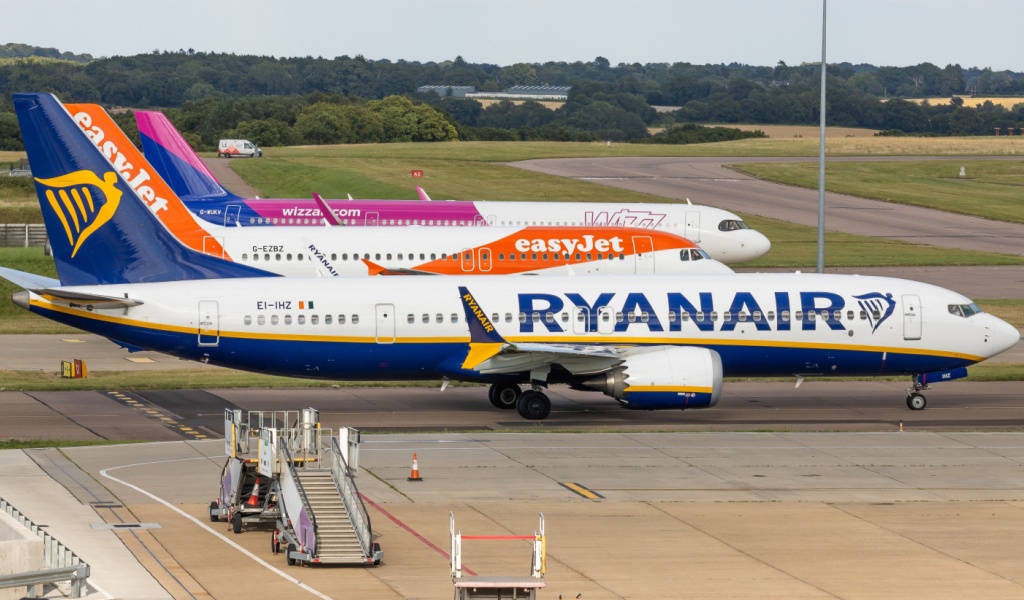
Furthermore, budget airlines often have fewer aircraft and limited route networks, which makes recovery more complicated when things don’t go as planned. For example, if a single airplane is delayed or out of service, it can disrupt many flights, leading to more cancellations and delays.
The most practical approach would be to analyze how much flexibility you have. For example, if you have to fly at a specific time, you may have to choose whatever airline offers that option, even if it’s not your ideal carrier. It’s also important to calculate the costs. If you’re going to carry a lot of luggage, a discount airline may not be the right option because the extra fees for carry-ons and checked bags can pile up quickly, and it may end up costing the same as full-service carriers. In such an instance, it makes more sense to book with a non-budget airline that offers a baggage allowance and better seating for a more relaxed experience.
To Sum It Up
Budget airlines can make air travel more accessible, but they often operate under constraints that full-service carriers don’t face. So when you’re aware of these limitations before booking, you’re braced for the potential inconveniences.
Many people who want to fly on a budget are unaware that budget airlines often advertise fares that hide a web of extra charges that can double the final cost, trapping unwary travellers. Savvy travelers are well aware of low-cost airlines’ pricing tactics, so planning ahead is all the more critical. This way, you’re prepared for nasty surprises along the way.
Ensure you check in on time, double-check passenger details before booking, and measure luggage accurately. Extra baggage fees can hit you when you least expect them, so you can save a ton of money by weighing your bags before you leave. There are penalties for booking errors, and fixing a mistake can cost as much as a new ticket. So be well aware of the process and be very careful in the booking process.