If you’re looking to save money for a major expense, like planning a wedding or building a house, you’ve likely considered options like investing in mutual funds or stocks. But how about turning to a favorite childhood game? Yes, you read it right! It’s time to dig out your old Pokémon cards because, according to some financial experts, these cards are an excellent investment.
It sounds too ridiculous to be true, but a young man called Lucas Shaw from Ohio didn’t have to invest in stocks to buy a stunning engagement ring complete with three diamonds worth 3.5 carats. All he did was turn to his Pokémon cards.
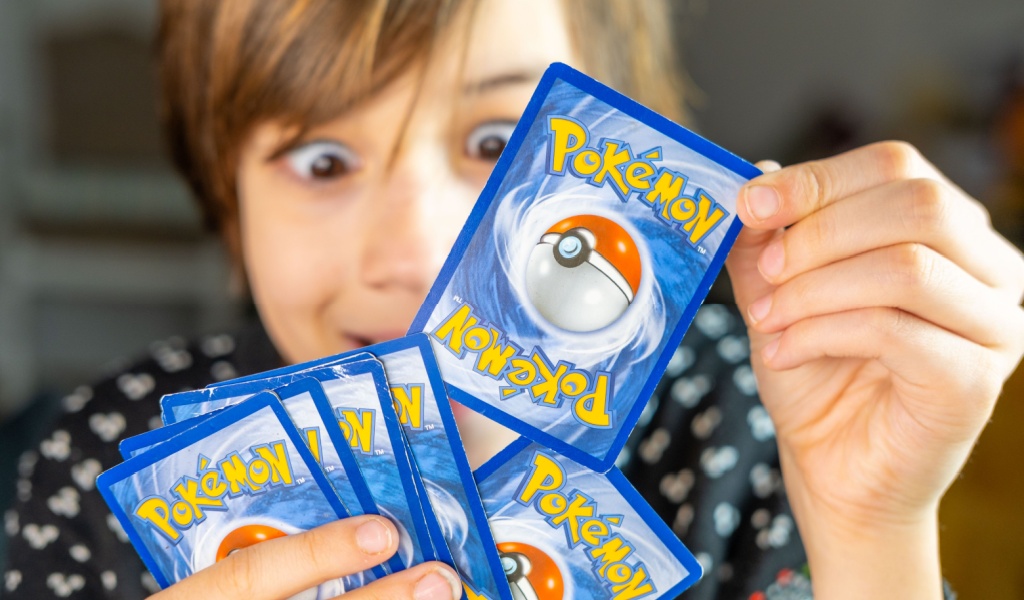
When Nintendo introduced Pokémon in 1996, it became a worldwide phenomenon. Games, TV shows, and films under the franchise followed suit to capitalize on the success. Trading cards were a popular toy that kids collected and played with. Today, the value of these cards is rising, and kids who collected Pokémon cards back in the 90s have literally collected treasure. According to an article published by the Wall Street Journal, some Pokémon cards have returned 3,000% on investment since 2004. This trend is absurd because back then, kids collected Pokémon cards to play a game or simply for the sake of it. What cost only a couple of dollars is now worth thousands of dollars, twenty-five years later.
How Do These Cards Work As An Investment?
Once every few months, the company releases new Pokémon cards and sells them directly on its website or through retailers like Target and Walmart. In the resale market, traders buy and sell cards through eBay, social media, online trading websites, and even at physical card show expos.
The card’s performance depends on many factors, such as the quality of the artwork, its rarity, and ratings from third-party authenticators. Professional grading companies will grade these cards on a scale of 1 to 10, and a mint-condition 10-grade card will fetch a handsome sum. Moreover, influencer and celebrity promotions can temporarily boost a card’s value, as viewers will want to find those cards and share the same excitement.
The popularity of Pokémon also plays a deciding role, with certain Pokémon like Charizard, Pikachu, and Eevee in high demand. Rare cards that feature these Pokémon can fetch a premium, so investors and entrepreneurs usually keep an eye out for which Pokémon is trending in the market.
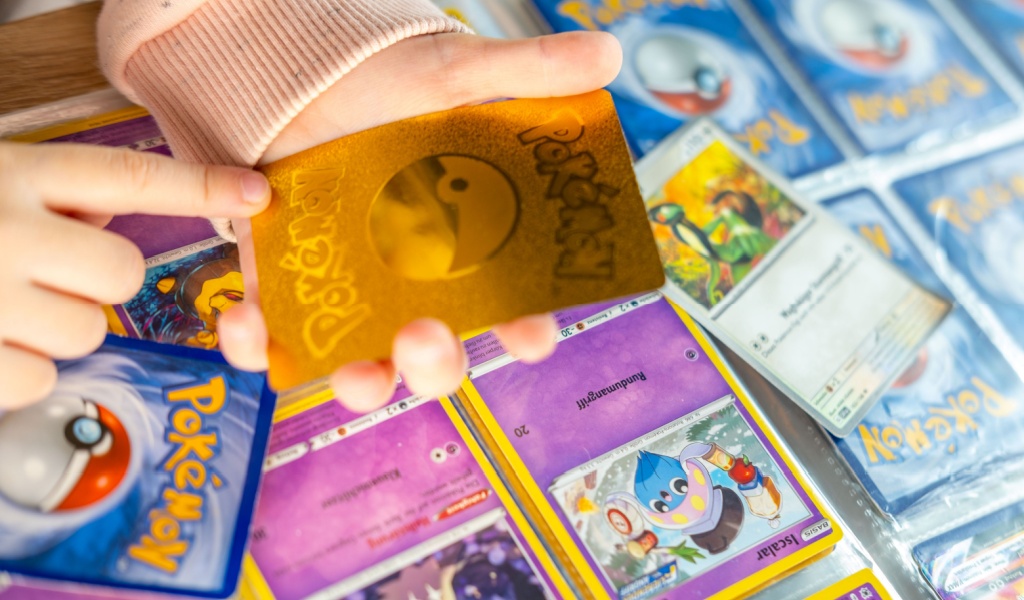
The most expensive Pokémon cards are those with holographic foil on the artwork, which makes them more attractive. Today, collectors can literally sell these holographic cards as a down payment on a home.
Categories Of Pokémon Cards
Pokémon cards can be placed into three basic categories. The first is the standard Pokémon card most people are familiar with. Secondly, you have trainer cards, and thirdly, energy cards. So Pokémon cards feature a Pokémon, and there are three basic rarities. You have the common, uncommon, and rare cards. Among the rarities is a holographic rare with a black star and a shiny Pokémon picture. The reverse holographic rare has a black star and a glossy card, apart from the Pokémon image, and the ultra-rare has a black star that looks very different from the other cards. While various factors influence Pokémon trading card prices, rarity plays a significant role.
Childhood Hobby Turned Into Adult Investment
It’s strange to contemplate how Pokémon cards have come a long way from being an innocent childhood hobby. Today, it’s a billion-dollar industry reshaping retail, and the popularity of these cards is evident in their widespread availability at major retailers like Walmart and Target, as well as on digital platforms like eBay.
Data shows that one in five adults bought Pokémon cards, although only a quarter of them actually play the game. So most buyers are either investing or collecting these cards. Earlier this year, US toy sales rose 6%, primarily driven by new Pokémon card releases and the popularity of collectible sports cards. Trading card sales have been surging, as a report from Walmart Marketplace shows a 200% increase between February 2024 and June 2025. The popularity of pokémon cards has grown more than tenfold year over year.
However, there is a risk of volatility in this form of investment. Critics note that prices are inconsistent and that the supply figures are unclear. Trends in the Pokémon world can change, and what’s popular today may not be valuable tomorrow. Likewise, there are many counterfeit cards on the market, so it’s vital to learn how to spot them so you don’t lose money.
So while it’s living up to the hype now, the future of Pokémon cards is not certain. The competition in the Pokémon card market is also very fierce, particularly on popular online marketplaces like eBay, so the only way to stand out is to build transparency and trust.
Final Thoughts
Pokémon cards are a profitable investment opportunity, but their success depends on a strong business strategy, extensive market knowledge, and a genuine passion for the product. While it carries a fair share of risk, one thing is clear: for some collectors, childhood nostalgia can translate into truly significant financial gain.