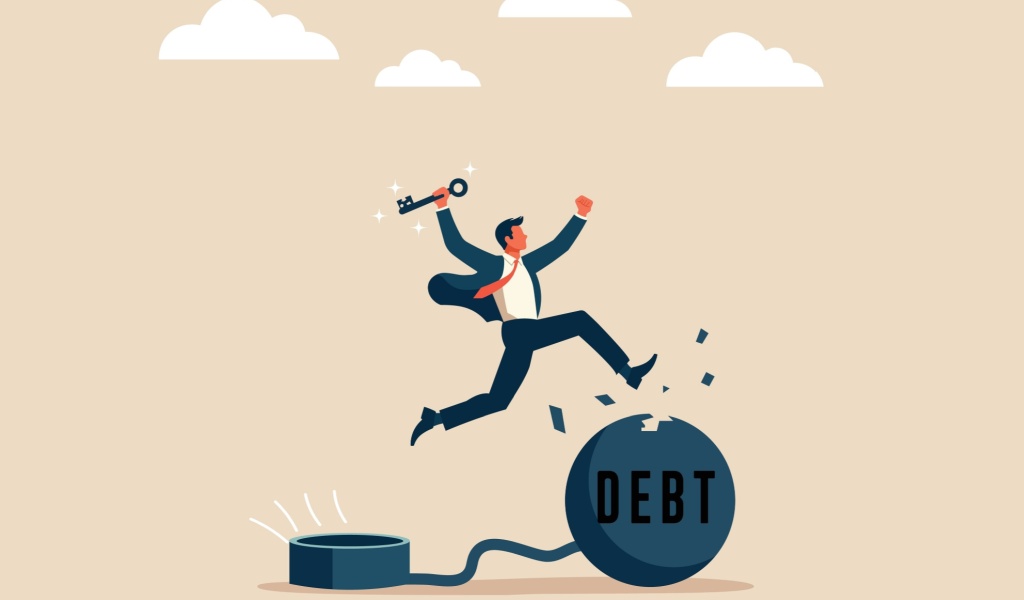
The relief of paying off your debt is unmatched. The world feels lighter—no more pending balances—just you, your earnings, and a clean slate. Becoming debt-free isn’t the end of the line; it’s the beginning of a better financial life.
What you do next determines whether you remain debt-free or slip back into the same cycle. So, let’s discuss the crucial next steps that can turn your victory into lasting freedom.
Make a Realistic Budget
If debt taught you anything, it’s how fast money disappears. Now is the time to create a budget that works for you. Tracking earnings and expenses gives you control and helps prevent overspending. A good budget should cover essentials, savings, investments, and entertainment. Because a budget you dislike is a budget you’ll quit.
Create an Emergency Fund
First things first: safeguard your progress. Even a minor emergency—a medical bill, a car repair, or a sudden job loss—can propel you back into debt if you don’t have a safety net. For this reason, experts advise building an emergency fund as soon as you’re debt-free.
Aim for three to six months’ worth of living expenses, and start small if you need to. This fund serves as a shock absorber for life’s unpredictability. Being debt-free means not only making more money but also needing less financial help when things go wrong.
Begin Saving for Major Goals
You can finally plan big, whether it’s purchasing a home, starting a business, travelling, or funding education, since your funds aren’t tied up in repayments.
When you don’t have loans, saving for big goals becomes easier. For instance, building a down payment might improve loan terms and reduce future borrowing costs. This is where your financial situation changes from survival to planning mode.
Control Debt Habits
The habits that got you into debt don’t immediately vanish when the balance hits zero. Staying debt-free means avoiding needless credit, being careful with spending, and reconsidering financing purchases. Because the goal isn’t just to get out of debt but to stay out of it.
Don’t Fall into the Trap of “Lifestyle Creep”
Since you have no debt, you might feel wealthy and start spending like it. Your expenses increasing along with your income (or newfound financial freedom) is called “lifestyle creep.” If you’re not careful, it can silently erase all your progress.
Rather than upgrading everything at once, maintain steady core expenses, think before making big purchases, and allow your financial habits to adapt to your new situation. Financial freedom isn’t about increasing costs but about giving yourself options and a bit of breathing room.
Review Your Financial Goals Frequently
Here’s something people frequently forget: your goals will change, and that’s a good thing. What was important to you while paying off debt might not be the same now. Perhaps you focused on survival earlier, but now you’re considering independence, flexibility, or even legacy. Set aside time every few months to:
- Alter your savings and investment plans.
- Assess your financial progress.
- Realign your objectives with your present lifestyle.
This practice keeps you focused and prevents you from drifting financially.
Redirect Your Old Debt Payments to Good Use
Here’s an effective trick: keep paying yourself. You’ve already been living without that portion of your income (because it went toward debt). Therefore, instead of absorbing it into regular spending, invest it, transfer it to savings, or use it for financial objectives.
This creates instant momentum and helps you build wealth faster without experiencing financial hardships.
Celebrate Without Overspending
You did something difficult. You deserve to celebrate. But celebrate consciously, not impulsively. Treat yourself in a way that doesn’t undo your progress, such as a big purchase, a holiday, or a special experience. Avoid falling into a monetary relapse disguised as a prize.
Make Future Investments
Saving is safe; however, investing is what builds wealth. Once you’re debt-free, consider starting with low-cost index funds, retirement accounts, or accounts that match your risk tolerance.
- Let your investments grow over time through compound interest by investing your money and adding regular contributions when possible.
- Start contributing to a retirement account, such as an employer-sponsored plan or an individual retirement account, to secure your future.
The earlier you start investing, the more time your money has to grow. Even minor, steady contributions can lead to significant growth over time. Begin with simple steps and let compounding do the work for you.
Boost Your Credit Score
Paying off debt is excellent, but your credit journey doesn’t end here. Good credit helps you obtain better loan rates, qualify for housing, and gain access to better financial prospects.
To maintain or enhance your credit, make timely bill payments, keep balances low, and refrain from opening too many new accounts. Also, avoid taking new credit unnecessarily; this can reverse your progress and hurt your score. Use credit as a tool, not as an aid.
Automate Good Financial Practices
Want to make your new life simpler? Automate it. Set up:
- Payment of bills
- Automatic savings transfers
- Contributions to investments
Automation lessens the risk of missed payments and keeps your financial practices consistent without constant effort. Consider it as setting your finances on autopilot, toward success.
Think About Long-Term Objectives
Being debt-free is just one milestone. Now it’s time to think long-term:
- Being financially independent
- Generational wealth
- Early retirement
Without debt, your financial decisions become proactive rather than reactive. You’re no longer thinking, “How am I to survive?” You’re thinking, “What do I want my life to look like?”
Boost Your Income
When you were in debt, additional income frequently went straight to repayments. Now? It can shape your future. Consider freelancing, starting a side business, or upskilling for better opportunities.
Even a minor increase in income can boost your savings and investments. Being debt-free gives you flexibility; use it.
Dream Bigger
Being debt-free doesn’t just change your bank account; it changes your perspective. You might start noticing opportunities that once felt out of reach:
- A career shift you were scared to take
- A life goal that was too expensive
- A business idea you dropped long ago
Repayments no longer weigh down those dreams. This is your opportunity to reframe what victory looks like, not based on duties, but on choice.
Conclusion
Paying off debt is a major achievement, but staying debt-free and building wealth needs a new mindset. The real change comes after the final payment. By making future investments, creating safety nets, and controlling your habits, you can secure your financial future.
Real freedom isn’t just about being debt-free—it’s about having options. Now, you do.